Source Self Suction Centrifugal Wastewater Pump for Sewage, Irrigation, and Slurry Transfer
Find and compare 30 self suction centrifugal wastewater pump models from Shanghai manufacturers. Evaluate options ranging from cast iron single-stage designs to vertical joint surface units, analyzing head, flow, and impeller types for industrial and municipal applications.
Key considerations
Products List


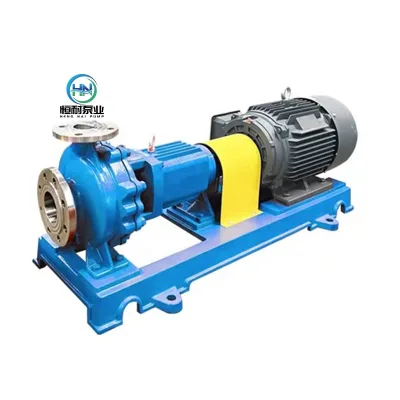
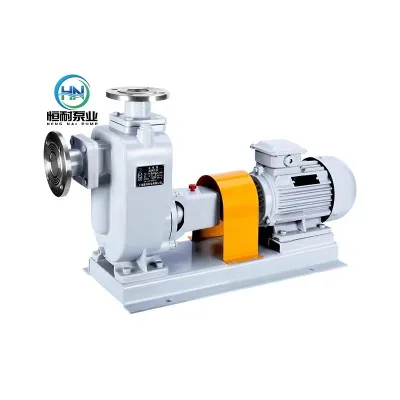
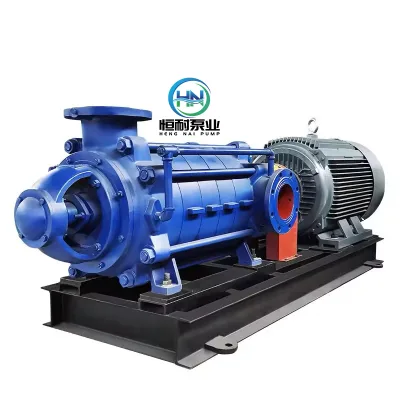


Comprehensive Sourcing Guide
Self Suction Centrifugal Wastewater Pump Sourcing Guide
Selecting the right self-priming centrifugal wastewater pump requires a careful balance of hydraulic performance, material durability, and operational reliability. These pumps are engineered to handle sewage water, sea water, or clean water, making them versatile for various industrial and municipal applications. The core mechanism relies on a centrifugal impeller that creates a vacuum to draw liquid into the pump casing, eliminating the need for external priming devices in many scenarios. This capability is critical for systems where the pump source is located above the liquid level, ensuring rapid startup and consistent flow without air locks.
Procurement teams must navigate a diverse market of manufacturers, particularly those based in major industrial hubs like Shanghai, China, where a significant portion of these units are produced. The observed product landscape includes models ranging from simple single-stage designs to more complex vertical or horizontal split configurations. Buyers should focus on verifying specific attributes such as the priming method, which can be dry priming or vacuum-assisted, and the priming time, which is often cited as less than 60 seconds at a 5-meter suction lift. Understanding these baseline capabilities helps in filtering suppliers who offer genuine engineering solutions versus those providing generic, off-the-shelf units.
Product Scope and Observed Listing Signals
The current market listings reveal a wide spectrum of pump types, from mechanical sewage pumps to specialized slurry and circulating pumps. Observed data indicates that many suppliers offer customization options, allowing buyers to tailor the pump to specific site requirements. The material composition is predominantly cast iron, providing robustness for heavy-duty wastewater handling, though buyers should confirm if stainless steel or other corrosion-resistant alloys are available for more aggressive chemical environments. The industry classification often points to mechanical pump applications, emphasizing the need for durable construction that can withstand continuous operation in demanding conditions.
Listing signals also highlight variations in pump structure and theory, with centrifugal and single-stage designs being common. Some products are marketed as booster pumps or automatic pumps, suggesting integrated control systems or specific pressure management features. The working pressure ranges from medium to high, indicating that these pumps are suitable for systems requiring significant head pressure, with observed maximum heads ranging from 10-30 meters up to 30-50 meters. Buyers should pay close attention to the impeller type, as semi-open or closed designs will impact the pump's ability to handle solids and debris commonly found in wastewater streams.
Technical Specifications to Verify
When evaluating technical specifications, the flow and head ranges are primary decision factors. Observed data suggests a flow range of 2.8 to 1600 cubic meters per hour, with lift ranges extending up to 136 meters. These figures indicate that the market offers solutions for both small-scale domestic applications and large-scale industrial processes. Buyers must verify the motor power, which can range from 0.5 to 280 kW, ensuring that the selected unit has sufficient energy capacity to meet the required hydraulic demands without excessive energy consumption. It is also crucial to confirm the mounting height and shaft position, as horizontal and vertical configurations will dictate the installation footprint and maintenance accessibility.
The priming mechanism is another critical technical aspect that requires detailed verification. While many listings claim priming times of less than 60 seconds, the actual performance can vary based on the suction lift and liquid viscosity. Buyers should inquire about the specific priming method, whether it is dry priming or vacuum-assisted, and how the pump handles air accumulation in the casing. Additionally, the influent type of the impeller, such as single-suction or double-suction, affects the hydraulic balance and axial thrust, which in turn influences bearing life and overall pump stability. Confirming these details ensures that the pump will perform reliably under the specific operating conditions of the facility.
Compliance and Safety Documentation
Compliance with international standards is essential for ensuring the safety and reliability of wastewater pumps. Some suppliers reference standards such as API610 and VDMA24297, which are widely recognized in the centrifugal pump industry for performance and design criteria. Buyers should request documentation that confirms adherence to these standards, particularly if the pump is intended for use in critical infrastructure or hazardous environments. Additionally, materials standards like ASTM A48 for cast iron may be relevant, although buyers should verify the specific grade and quality of the materials used in the pump casing and impeller.
Safety documentation should also include electrical certifications for the motor, ensuring that it meets local and international electrical safety codes. Buyers must verify that the pump is suitable for the specific liquid being handled, whether it is sewage water, sea water, or clean water, as this affects the material compatibility and sealing requirements. It is also important to check for any environmental certifications or emissions standards that may apply to the motor or the manufacturing process. Ensuring that all compliance documentation is up to date and verifiable helps mitigate legal and operational risks associated with the installation and use of the pump.
Cost Drivers and Commercial Terms
The cost of self-priming centrifugal wastewater pumps is influenced by several factors, including the motor power, material quality, and customization options. Observed price ranges in the market vary significantly, from low-cost basic models to high-end units with advanced features. Buyers should consider the total cost of ownership, which includes energy consumption, maintenance costs, and expected lifespan, rather than just the initial purchase price. Higher motor power and larger flow capacities typically command higher prices, but they may offer better efficiency and durability in demanding applications.
Commercial terms such as minimum order quantity (MOQ), packaging, and lead times also play a role in the procurement decision. Observed MOQs are generally low, ranging from 1 to 10 units, which is beneficial for small projects or replacement parts. Packaging methods vary, with options including wooden boxes, polywood cartons, and plywood boxes, which can affect shipping costs and protection during transit. Buyers should negotiate clear terms regarding delivery schedules and warranty coverage, as these can impact the overall project timeline and risk management. Understanding these commercial dynamics helps in making informed decisions that align with budget constraints and project requirements.
Supplier Qualification and Quality Control
Supplier qualification is a critical step in ensuring the reliability of the purchased pumps. Buyers should verify the supplier's manufacturing capabilities, particularly if they are based in major production hubs like Shanghai, China. It is important to assess their quality control processes, including material testing, assembly procedures, and final performance testing. Suppliers who adhere to recognized standards and have a track record of producing high-quality pumps are more likely to deliver products that meet the specified technical requirements. Buyers should also inquire about the supplier's ability to provide customization and after-sales support, as these factors can significantly impact the long-term success of the procurement.
Quality control checks should include verification of the pump's performance under load, ensuring that it meets the specified flow and head requirements. Buyers should request test reports or certificates of conformity that demonstrate the pump's compliance with relevant standards. Additionally, it is advisable to conduct factory audits or third-party inspections to verify the supplier's manufacturing processes and quality management systems. By thoroughly evaluating supplier qualifications and quality control measures, buyers can reduce the risk of receiving defective or substandard pumps, ensuring that the investment yields the expected performance and reliability.
Long-Term Procurement Checks
Long-term procurement success depends on establishing a robust relationship with suppliers who can provide consistent quality and support. Buyers should monitor supplier performance over time, tracking metrics such as delivery reliability, product quality, and responsiveness to issues. Regular communication and feedback loops can help identify potential problems early and foster a collaborative partnership. It is also important to stay updated on industry trends and technological advancements, as these can influence the design and performance of wastewater pumps. By maintaining a proactive approach to supplier management, buyers can ensure that their procurement strategy remains aligned with evolving operational needs and market conditions.
Finally, buyers should regularly review the performance of the installed pumps and compare them against the initial specifications. This ongoing evaluation helps in identifying any discrepancies in performance or durability, which can be addressed through warranty claims or supplier negotiations. It is also advisable to keep a record of maintenance activities and spare parts usage, as this data can inform future procurement decisions and help optimize the total cost of ownership. By implementing these long-term checks, buyers can ensure that their investment in self-priming centrifugal wastewater pumps continues to deliver value and reliability over the lifespan of the equipment.
FAQs
What is the maximum head for these centrifugal pumps?
The maximum head ranges from 10 to 50 meters depending on the specific model configuration. This range supports various lifting requirements for sewage and slurry applications. Buyers should verify the exact head requirement against the selected model specifications to ensure adequate pressure for their system.
Can these pumps handle different types of liquid media?
Yes, these pumps are designed to handle sewage water, sea water, or clean water. The material construction, typically cast iron, provides durability against corrosive or abrasive media. This versatility makes them suitable for diverse industrial and municipal wastewater management scenarios requiring reliable fluid transfer.
What is the priming time for these self-priming units?
The priming time is less than 60 seconds at a 5-meter suction lift. This rapid startup capability is achieved through dry priming or vacuum-assisted methods. Quick priming reduces operational downtime and ensures efficient immediate performance upon activation for continuous wastewater processing tasks.
Which models are available for vertical or horizontal mounting?
Available models include M4, M12, and the EJ series such as EJ40-110. These units support both horizontal and vertical shaft positions to fit specific installation constraints. The variety allows for flexible integration into existing piping systems or new construction projects with limited space.
What is the flow capacity range for these pumps?
The flow range extends from 2.8 to 1600 cubic meters per hour. This wide capacity supports small-scale circulation to large industrial slurry handling. Buyers can select models based on their specific volume requirements, ensuring optimal efficiency and performance for their particular wastewater or liquid transfer needs.
Are these pumps customizable for specific industrial applications?
Customization is available to meet specific industrial requirements. Manufacturers can adjust parameters to suit particular mechanical pump applications. This flexibility ensures that the equipment aligns with unique operational demands, providing tailored solutions for diverse sectors including sewage treatment and general industrial fluid management.